PRP - (Platelet Rich Plasma) Hair Regeneration

Fastfacts
# of visits = 4
Time = 15 minute consult + 4 x 45 minute treatments
Cost - €350 per treatment-
Package of 4 €1200 (€300ps)*
Course of 4 treatments recommended for hair loss
Interval- 4 weeks apart
Maintenance treatment every 4-6 months is advised
Recovery 1-4 days
Risks and complications - low
Back to work - immediately
Results last -6-12 months with better long lasting results with regular maintenance sessions.
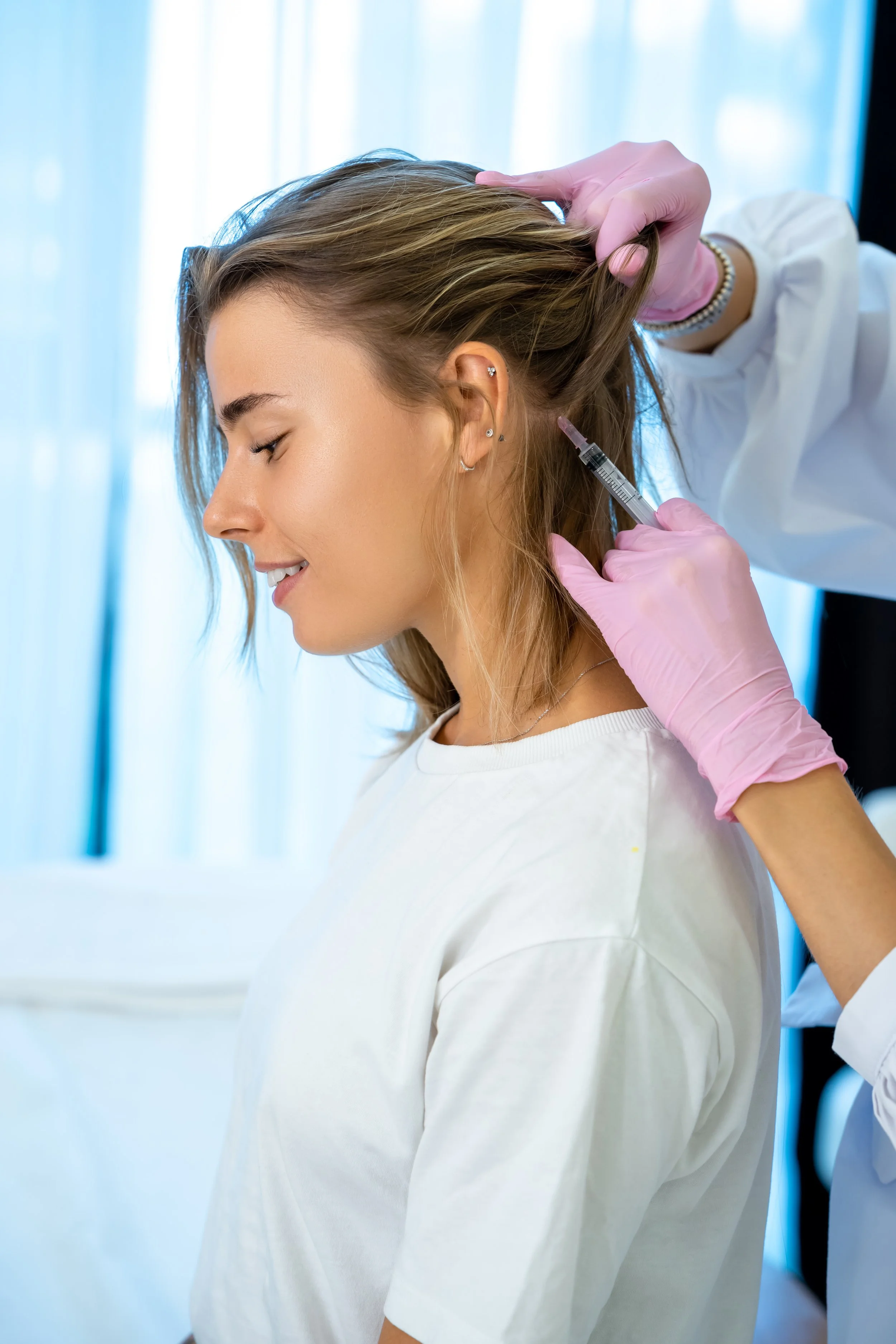
Hair loss can significantly impact your life. One in four women with alopecia report marital problems as a result of their hair loss, while 63% say it’s impacted their career [1]. So many people who’ve had successful PRP hair treatments would agree that they’re a worthwhile investment in their relationship and work, as well as their self-esteem. PRP therapy for hair loss can be effectively combined with at-home treatments like Minoxidil and Finasteride.
PRP for hair restoration - overview
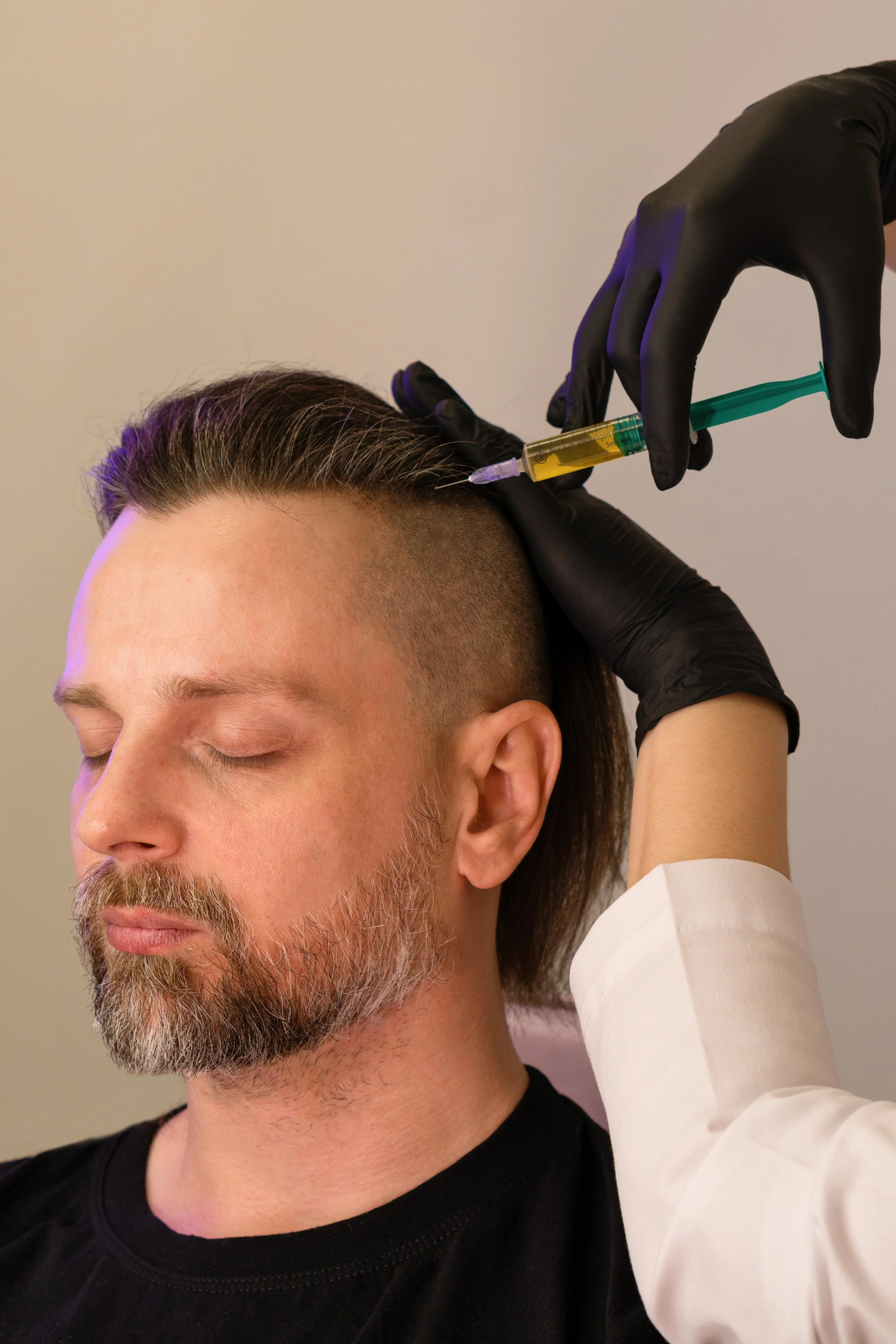
PRP therapy offers numerous benefits for women and men seeking to improve the quality and density of their hair:
Naturally Stimulates Hair Growth:
PRP activates dormant hair follicles, encouraging them to enter the growth phase (anagen phase) and produce new, thicker hair.
Improves Hair Density and Thickness:
Over time, PRP helps to increase the density of your hair, resulting in fuller, thicker-looking hair.
Non-Surgical and Minimally Invasive:
Unlike hair transplant surgery, PRP therapy is non-invasive, meaning there are no incisions, stitches, or lengthy recovery periods.
Quick and Convenient:
PRP treatments are quick, typically lasting 30-60 minutes per session, and require minimal downtime. You can easily fit it into your schedule.
Safe and Natural:
Since PRP uses your own blood, it is a completely natural treatment with minimal risk of allergic reactions or side effects.
Compatible with Other Treatments:
PRP therapy can be used in conjunction with other hair loss treatments, such as hair transplants or topical treatments like minoxidil, for enhanced results.
PRP Method
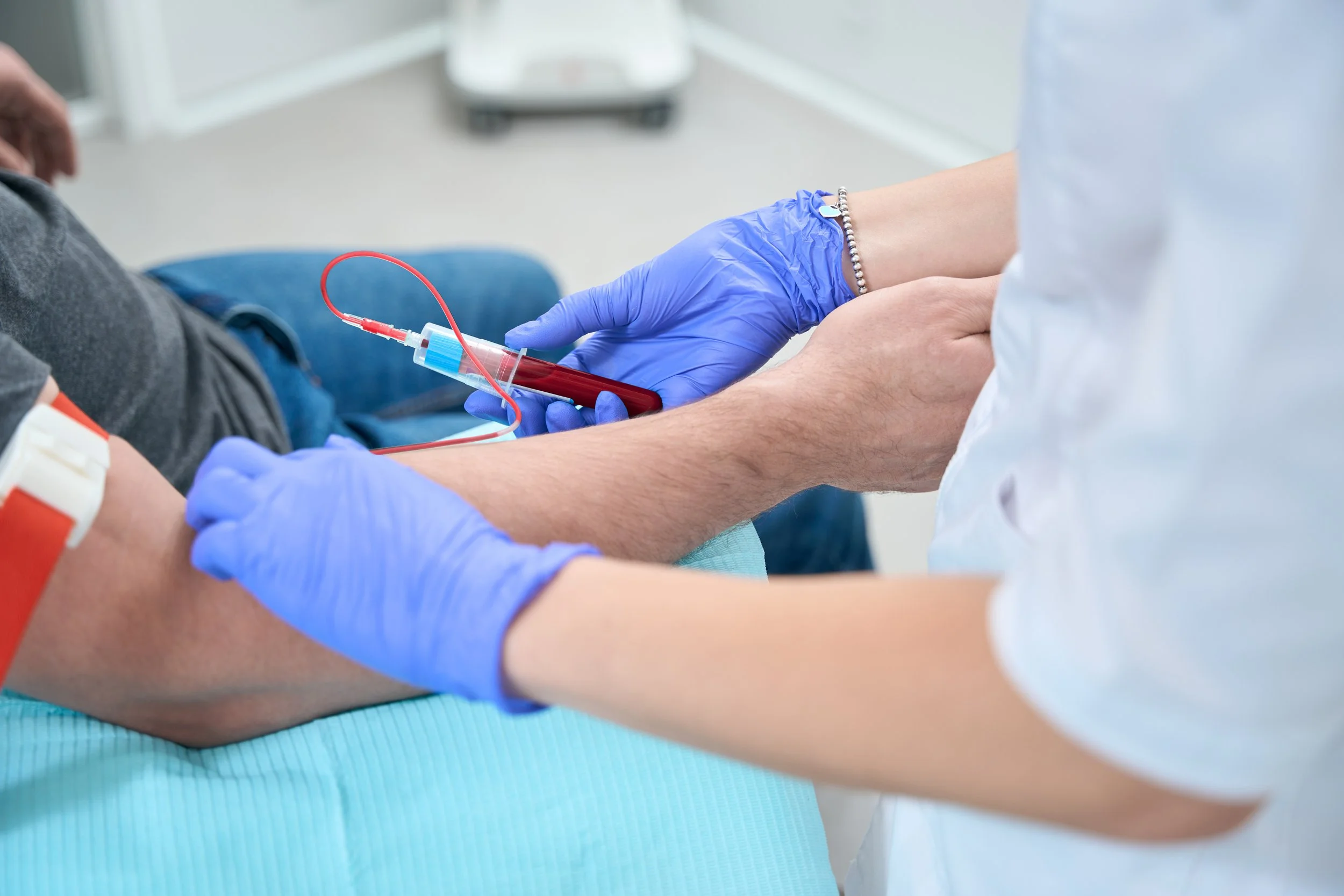
In Elanamie Clinic we use a Cellenis Centrifuge machine in a 3-step process consisting of drawing blood, spinning and harvesting high concentration platelets from your blood. We use direct local injections to the scalp using fine needles. syringe injection assures most of the PRP volume will be delivered into the dermis or subdermis.
Cellenis® PRP therapy accelerates the growth of the hair follicles by stimulating the stem cells and other cells in the micro environment of the hair follicle to increase the production of collagen, nutrients, and antioxidants, and by promoting neovascularization to increase blood supply, leading to denser and stronger hair.
PRP is also commonly used in hair transplant treatments to promote and encourage tissue repair. The treatment helps to preserve, accelerate and enhance the hair follicles pre-and post-transplant and to produce more robust hair growth.
How does it work?

Platelets are one of four primary components of blood (the other three are red blood cells, white blood cells, and plasma). Platelets promote cell growth and regeneration. Platelet-rich plasma has are generally about five times more concentrated platelets than in regular blood. This concentration of platelets is useful, because platelets secrete growth factors than are thought to assist in wound healing and tissue regrowth.
When it comes to hair loss, the theory is that platelets, injected deep into the scalp to reach the bottom of the hair follicle, may stimulate a specialised population of cells named dermal papilla cells, which play a critical role in hair growth.
Why types of hair loss can PRP treat?
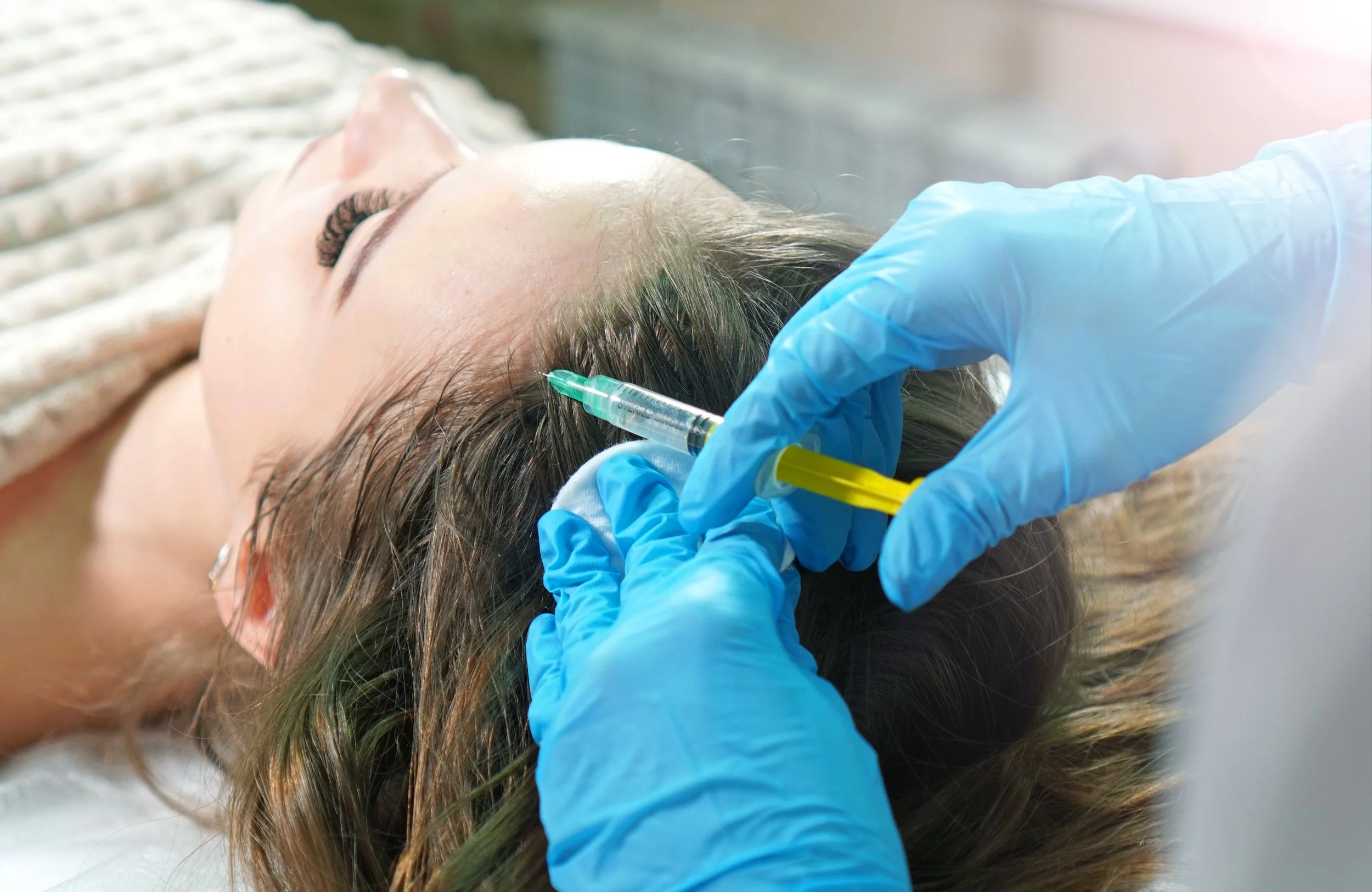
Most research on PRP for hair loss has focused on its use to treat androgenetic alopecia (AGA). Also known as hormone-related baldness, this is a condition that can affect both men and women. In men with AGA, hair loss typically occurs on the top and front of the head. In women, thinning occurs on the top and crown of the head and often begins with the center hair part growing wider. The evidence suggests that PRP may work best when it is combined with other treatments for AGA, such as topical minoxidil (Rogaine) or oral finasteride (Propecia), which is an anti-androgenic drug.
There is not enough evidence to make conclusions about the effectiveness of PRP for other types of hair loss, like telogen effluvium (stress-related hair loss), alopecia areata (autoimmune-related non-scarring hair loss), or forms of scarring hair loss.
What to expect from treatment?
Blood Draw: A small amount of blood is drawn. You would have a small amount of blood drawn from your arm (10 to 20 milliliters).
Processing: The test tube containing your blood would be placed in a medical device called a centrifuge, which separates your blood into layers. One of these layers contains a high concentration of platelets.
Injection: PRP is then injected into targeted areas of the scalp to stimulate hair growth. The area where the injections will be given will be cleaned with an antiseptic, and a local anesthetic will be applied on areas where injections will be made. Once the platelets are prepared they will be injected to your skin in small amounts using a very fine needle. Multiple injections will be needed. You may experience a sensation of tiny pin pricks and stinging sensations which will subside after a few minutes. Treatment is quick and very tolerable.
Can I pay for PRP hair loss treatment with medical insurance?
Most medical insurance providers don’t cover cosmetic procedures like PRP hair treatment. But if you have private health insurance, check your policy to be sure.
Is the treatment safe/aftercare?
PRP treatment is the safest non-invasive procedure because you are using cells from your own body therefore there can be no allergic reaction.
The entire procedure takes about 45 minutes to one hour.
There may still be some redness and other signs of minor irritation. You should avoid applying too many products to your skin.
Avoid alcohol-based products and exfoliants during the recovery stage. Sun exposure may also slow down your results.
Until your skin has completely healed, avoid rigorous activities that might cause excessive sweating and heat production. Sweating may cause additional irritation and rigorous activities may increase the risk of swelling or bruising. This usually should be avoided for at least 72 hours after your treatment.
PRP for Hair- is it right for me?
PRP may not be appropriate for those with a history of bleeding disorders or autoimmune disease. A consultation with our trained medical professional Sarah will be required to see if you are a candidate for PRP.
What can I expect to see after treatment?
Results typically start to become visible after 3-4 treatments. You may notice an improvement in hair thickness, density, and overall scalp health. Hair growth may be thicker, healthier, and more robust, with improved overall hair appearance. The exact number of treatments needed will depend on the severity of your hair loss and your individual response to the therapy.
To maintain results, PRP treatments are typically recommended every 4-6 months. Periodic maintenance sessions will help ensure continued hair growth and prevent further hair thinning.
PRP after hair transplants?
Hair transplants are an effective but expensive treatment modality for hair loss. Combining this treatment with PRP can give you the best of both worlds. Getting PRP after a hair transplant can minimise shock hair loss, speed up hair transplant recovery, and even give you faster, healthier regrowth.
References
The Effect of Platelet-Rich Plasma in Hair Regrowth: A Randomized Placebo-Controlled Trial
Houghton V. “A new spin: Examining the theory behind the use of platelet rich plasma for dermatologic procedures.” Dermatol World. 2018;28(5):50-6.
Zhang M, Park G, et al. “Review article: Applications and efficacy of platelet‐rich plasma in dermatology: A clinical review.” J Cosmet Dermatol. 2018 Jul 25. [Epub ahead of print].