
Dark Eye Circles 4 - Professional treatments and fixes
There are five professional treatments available to tackle dark eye circles….
This is part 4 of a 4 part blog on dark eye circles
There are five professional treatments available to tackle dark eye circles.
PRP
Dermal Filler
Sunekos
Medical Microneedling
Botox Facial
Our go-to suggestions for those who want to tackle their dark circles at source is PRP or Sunekos. For further information on any of these treatments please call (021) 484-3444 for a free consultation.
PRP for Dark Circles Can Tackle the Problem at the Root

Getting PRP for dark circles can help you because the treatment targets the root causes of the dark circles.
Here’s how:
• PRP facials can revive the weakened layer of collagen and elastin in the skin. As the layer plumps up creating more cells, you’ll notice the hollowness filling in and the skin smoothening out.
• PRP can create more blood vessels in the skin. With fresh oxygen and nutrients reaching the skin, it starts to rejuvenate and get back its lost glow. That’s how you see the dark circles gradually vanishing.
• The better blood supply and enhanced metabolism in the skin around the eyes works to clear away excess fluids and dead cells. As a result, the puffy appearance starts to settle.
• If the saggy look is because of unwanted fat cells, the improved metabolism brought about by PRP for dark circles can burn off the cells.
How the PRP for Dark Circles Procedure Works

Platelet Rich Plasma (PRP) therapy, also called “Vampire” or “Dracula” therapy makes use of your blood to extract a special serum. We harvest a small 10 ml sample of your blood and spin it in a centrifugal device. After separating the red blood cells and white blood cells, we develop a concentration of plasma. This fluid is rich in platelets, growth factors, stem cells, cytokines, and other elements that heal both soft and hard tissues.
Dr. Kelleher then injects the serum into the areas under the eyes. Depending on the healing abilities of your body and the severity of the issue, you may need 2 to 3 sessions of the PRP treatment scheduled at intervals of 2 to 4 weeks each.
As clinical trials conducted by the NIH U.S. Library of Medicine show, patients noticed a gradual change in the skin tone around the eyes beginning at 1 week after the session. As for effectiveness, you can also expect that the positive results will last for up to 6 to 12 months depending on your age.
You will also find that by adopting the lifesyle changes in the previous blog post you can prolong the effects of the PRP for dark circles treatment.
Dermal Filler

Just as dermal fillers are used to sculpt the face or enhance contours — under-eye injections are a way to add volume and prevent any shadowing that results from dark circles. The under-eye area is especially delicate, and every patient requires a consultation and customized approach that will help best determine the filler that will work best for their needs. They are fine fillers that avoid a pillow puffy effect or lumps and bumps. For patients with deep hollowing, Dr. Kelleher uses Redensity 11 hyaluronic acid that gives a great natural look, while truly holding and lifting the skin.
We use traditional injections and micro-cannulas — thin, needle-like blunt tip instruments — to insert fillers. Cannulas are useful for the delicate under-eye area because they don’t puncture blood vessels and help avoid bruising.
When you get fillers injected under your eyes, to keep your face from appearing two-dimensional, it's important to treat the cheeks as well. Some people just want to have their undereye treated, which creates a bit of a problem. If we just do that and we don't address the cheek at all, then your face would appear flat. Instead, we lift the cheek a little bit to improve the under-eye itself.
For more information on dermal filler for under eye click here.
Sunekos

Sunekos is a new cosmetic injectable treatment, which like the dermal fillers we use contains hyaluronic acid. What makes Sunekos special is the patented formula of amino acids, which is added alongside the hyaluronic acid to create the injected product. This potent mix of amino acids which includes glycine, L-proline, L-leucine, L-lysine HCI, L-valine and L-alanine help to regenerate the Extra Cellular Matrix (ECM) – the building blocks which help to make the wall – by stimulating fibroblasts, or skin cells, to produce new collagen and elastin, repairing and rebuilding skin. This process is referred to as a dermal biogenesis, literally skin regeneration. This Treatment is a great for those who want to maintain a more natural look, or those who do not want or need anti-wrinkle injections or fillers.
Medical Microneedling

Micro needling is a process in which percutaneous collagen induction is carried out with the help of miniscule needles which vertically penetrate the skin surface under the eyes. The small punctures are a form of controlled injury which stimulate the body to start its natural repairing process. New skin cells are generated which remove the dullness and darkness under the eyes.
Micro needling under the eyes takes 4 to 6 sessions according to the requirement of the patient. These sessions can be done over a period of 3 to 6 months. You can start seeing changes just after the first session. This is so because the skin is already stimulated enough to start its new collagen formation process which takes place over a period of 10 to 14 days.
As old skin cells peel off and new skin cells take their place, the skin under the eye starts looking healthier and becomes firm. Eye bags gradually disappear within 45 days and dark circles as well as wrinkles get reduced. After the completion of all the sessions, the undereye area becomes free of all problems. Micro needling under the eye can be done on all skin types and the great results last for a long time.
Botox Facial (Microinfusion with Aqua Gold)

Microinfusion is a procedure (also known as the Aquagold Fine Touch Treatment) that uses tiny needles to create channels in the surface of the skin allowing microdroplets of treatment to be infused.
The device has a cartridge that is filled with a unique cocktail of ingredients including Botox, filler, and vitamins. The cap attached to the cartridge contains very short hollow needles and these inject the liquid concoction into the skin using a stamping motion. When the needles are pressed into the skin, the infusion flows out in small droplets.
There is a special recipe of ingredients that make up this potent anti-aging combination that typically included a combination of botulinum toxin, hyaluronic acid (HA) filler, and a vitamin complex. The ingredients can be modified depending on the patient in case of allergies or medical conditions as needed. The botulinum toxin, when injected more superficially as opposed to in the muscle, has benefits like refining skin texture and tightening pores.
The HA filler is very diluted, so it plumps up the skin by drawing and holding hydration into the skin without the risk of lumps. The vitamin solution is a combination of antioxidants and brightening agents to give an immediate glow.
The results vary but can last several weeks. The procedure should be repeated regularly or combined with other treatments for optimal long-term results. Every four weeks is the best interval for repeating the treatment. This procedure keeps the skin hydrated thanks to the injection of HA, and the new collagen you create from the microneedles can keep skin texture smooth and dewy.
Dark Eye Circles 3 - Skin care that can help
A robust skin-care routine is vital in keeping your skin healthy, which, in turn, fends off issues like dehydration and irritation (which can play into dark circles). And fortunately, some ingredients prove more potent than others….
This is part 3 of a 4 part blog on dark eye circles
A robust skin-care routine is vital in keeping your skin healthy, which, in turn, fends off issues like dehydration and irritation (which can play into dark circles). And fortunately, some ingredients prove more potent than others.
Look for products with:

Vitamin C—
It can brighten the skin and protect it against free radicals. Vitamin C helps build collagen, so there’s separation between the vein and skin. It brightens the skin and replaces the look of exhaustion with radiance and light

Hyaluronic acid-
HA plumps the skin to decrease transparency. It also brightens the skin and replaces the look of exhaustion with radiance and light

Vitamin B3 Niacinamide
B3 stimulates collagen production and increases ceramides while being soothing and hydrating (if skin cells are the bricks then ceramides are the mortar of our skin). This vitamin not only calms down redness and inflammation but stimulates collagen production and increases free fatty acids in the skin to hydrate. Tranexamic acid from lytera helps reduce pigmentation as well as phenylethyl resorcinol and niacinamide, tetrapeptide-30 and palmitoyl tetrapeptide, which all balance melanin production.

Retinoids
Retinoids are a class of compounds derived from vitamin A, which is commonly used in skincare, and using creams containing them will help to stimulate collagen and thicken the skin around the eye. Vitamin A is the tried-and-true molecule that produces collagen, exfoliates, increases hyaluronic acid, brightens the skin, and repairs the skin. Technically, if you use a retinoid in the eye area, in time you should have slightly firmer collagen and less dark circles. Retinoids are quite irritating however so you need to use a low percentage in that area and keep the skin hydrated – you may not be able to tolerate it every day. (Not all retinols are made equal and there are certain retinols that are appropriate for the gentle and thinner skin around the eye. Also consider using a patch test)

Caffeine
Caffeine is also a great ingredient for under the eyes as it gives vasoconstriction and boosts the skin energy. Look out for caffeine in creams. Tea bags have been used to de-puff around the eyes because of the decongesting properties of caffeine. Caffeine is a vasoconstrictor, which in turns reduces redness, swelling, and extensive fluid from pooling around the eyes. This will give a tightened appearance around the eyes. Furthermore, caffeine has been shown to neutralize free radicals from DNA damage and contains anti-inflammatory properties which can further improve skin texture.

Liquorice
It reduces puffiness (puffiness contributes to the appearance of dark circles)

Hydration
If you want to get rid of your under-eye circles, keep the skin hydrated. Use a nice, hydrating eye cream. Toleriane Ultra eye cream by La Roche-Posay has no preservatives and contains niacinimide which soothes the skin, and glycerine, which leaves the skin hydrated and reduces inflammation. Not only does using an eye cream often help to brighten the area, it will prevent the bags from potentially getting worse as it stops the skin from becoming sullen and therefore shrinking inwards, closer to the bone, giving the illusion of shadow.

Avoid irritants
Your dark circles could be down to your current beauty products. Another cause is low-grade irritation or inflammation of the skin from something you're allergic to. It's very important to be careful with what you put around your eyes. Some serums for the face, for example, may irritate the eye area. When you're thinking of buying a new product, ask for a sample first and do a patch test to determine whether you may have an allergy.

Emma recommends

Hydrafirm® Eye Brightening Repair Crème
Net Wt. 15 g / 0.5 Oz.
Specially designed for the delicate eye area. Helps minimize the multiple signs of aging, including puffiness, dark circles and fine lines.
Advanced Eye Treatment for Lines and Wrinkles, Dark Circles and Puffiness which contains Retinol, Kojic Acid and Caffeine to help improve the appearance of deep lines and wrinkles, targets dark circles and reduces puffiness.
Available in clinic.

Image ILUMA intense brightening eye crème
.5 fl oz (15 mL)
A super-hydrating and brightening eye crème that works aggressively to break up discoloration under the eyes. A blend of phytonutrients, peptides and botanical brightening agents help to reduce visible signs of aging like dark circles, wrinkles, puffiness and lax skin to restore a firmer, vibrant and more youthful appearance to the eyes.
Available in clinic
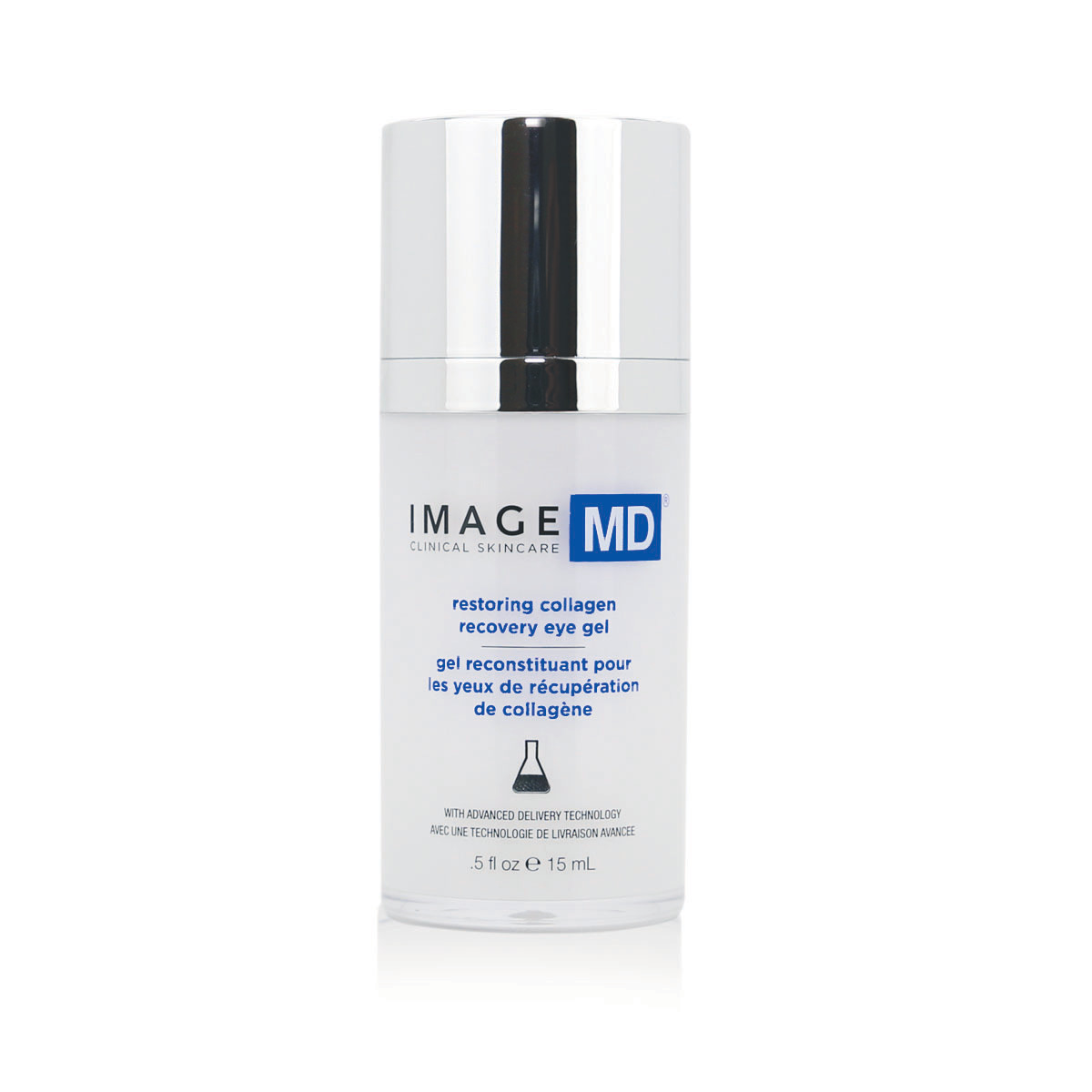
Image MD Restoring Collagen Recovery Eye Gel w/Advanced Delivery Technology
Lightweight gel with powerful anti-aging and hydration benefits.For aging eyes, dark circles, loss of radiance and puffiness.
Available in clinic
Dark Eye Circles 2 - Lifestyle changes to help
In most cases, eye circles are a combination of some or all of the things mentioned in Blog 1 of our 4 part series. What you’re actually seeing is
This is part 2 of a 4 part blog on dark eye circles
Lifestyle Changes to make that will help Dark Eye Circles
In most cases, eye circles are a combination of some or all of the things mentioned in Blog 1 of our 4 part series. What you’re actually seeing is a shadow effect that exposes the underlying blue veins and your orbital bone. The result is that hollowed-out look ubiquitous with dark circles.
Because there are so many causes for dark circles, treatment isn’t always as straight forward as we’d like it to be. But one thing that's consistently true: you can't always rely on just an eye cream to fix your dark circles. Many cosmeceutical creams and gels on the market do little for dilated veins, volume loss, and excess pigmentation. Most provide temporary and mild to moderate benefits at best. Happily there are free lifestyle changes that you can make.
Self-care is essential, so things like getting more sleep, being gentle with your eyelid skin when washing your face or taking off makeup (don't rub), addressing any allergy issues, and using sunscreen daily are all good (and easy) habits to pick up.
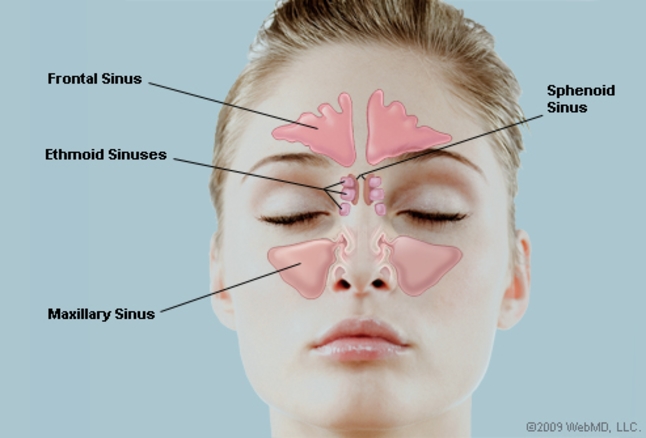
How to Address Sinus Congestion:
Chronic sinus congestion can lead to enlargement of the under-eye veins, which are filled with dark coloured blood. These veins can be visible through the skin or give a darkish hue around the eyes. We suggest using a daily sinus irrigation with a neti pot or similar product to clear the sinuses and improve the under-eye appearance. If that sounds too labour-intensive, go the relaxing route with lymphatic drainage massages that you can do yourself reduce the puffiness, or levelling your pillow so that water doesn't pool underneath your eyes.

How to Address Allergy Issues:
Allergies and sinus congestion can perpetuate dark under-eye circles. Controlling your symptoms and irritants can help reduce the consequence of under-eye changes. Talk to your doctor about antihistamines (e.g., Zyrtec, Claritin).

Sleep better:
Sleep is really important. Plenty of sleep lowers cortisol, which can damage our skin. When you get a good night's sleep, your skin reflects that. Not getting enough sleep doesn’t cause dark circles but it does exaggerate their appearance. Take whatever steps you can to ensure a better night’s sleep, with the number-one priority being to enable the night mode setting on your phone and tablet all day long. This minimises blue light, which is proven to disrupt our natural sleep cycle. Being overtired can definitely affect your under-eyes. Getting appropriate rest can be as helpful as prevention.

Sunscreen:
Even more important than sleep to tackle under eye issues is protecting yourself from the sun. Committing to daily sunscreen use and not getting a tan (whether from the sun or, worse, a tanning bed) is vital for reducing the appearance of dark circles. First and foremost is protection with sunscreen and sun protection with sunglasses in order to protect from ultraviolet damage that causes aging of the skin and further pigmentation. The problem is that many creams and gels on the market do little for chronically dilated veins, volume loss, and excess pigmentation and often require professional procedures, such as injectable fillers and lasers. We strongly recommend protection from UV light with a broad-spectrum sunscreen. Maintaining a healthy skin barrier is also important to avoid skin irritation and dryness. If you want to protect and cover simultaneously, look for an under-eye concealer that contains a broad-spectrum SPF.

Diet:
Any quest to get rid of dark circles should begin with a thorough assessment of your diet. There aren’t any fast dietary-fixes for dark circles, maintaining a nutritious anti-inflammatory diet full of fresh fruits, vegetables, whole grains, lean protein and healthy fats can bring about visible skin improvements all over the body – including the eye area. Avoid foods that are too salty as it causes puffiness, and alcohol, that dries out the skin. Small changes in your diet like consuming less red wine and caffeine can reduce the appearance of dark circles under the eyes. Any healthy, antioxidant foods, rainbow fruits and vegetables are a good idea. We know that antioxidants switch off free radical damage, which break down our collagen and skin scaffolding. We can’t be good all the time so follow the 80:20 rule. Aim to eat well at least 80% of the week and you should see a big difference in your skin.

Smoking/weight:
Do whatever you can to quit smoking. Research has shown that smoking cigarettes and inhaling second-hand smoke worsens dark circles, as does being overweight and having high cholesterol or triglycerides – both of which can be reduced via dietary changes, medication and exercise. Essentially, anything you do to make yourself healthier will make some amount of difference in the appearance of dark circles.
Dark Eye Circles 1 - Why?
What they are and why we have them
It's important to first understand the anatomy of the eye. Eyelid skin is one of the areas where the skin is the thinnest in the body. So …
This is part of a 4 part blog on dark eye circles
What they are and why we have them
It's important to first understand the anatomy of the eye. Eyelid skin is one of the areas where the skin is the thinnest in the body. So essentially you have very thin delicate skin sitting over a hollow structure around the eyes where you have bone, blood vessels, muscles (but interestingly no fat!). So, there is no easy fix but there is a lot you can do once you understand what you are dealing with.
There can be dark blood vessels, which are visible through the skin. Then there's the skin itself, which can be thicker and opaque, or thinner and translucent. Then there's the surface of the skin, which can be dark with increased pigmentation. Many of these factors can be genetic, a result of your body's development, and environmental.
We outline some of the causes below:
Aging

Dark circles and puffy eyes are typically associated with aging. These signs also make you look exhausted and stressed. Several factors can contribute to the problem and women are more prone to getting raccoon eyes than men. Here are the typical reasons why you may find yourself struggling with an arsenal of concealers each morning.
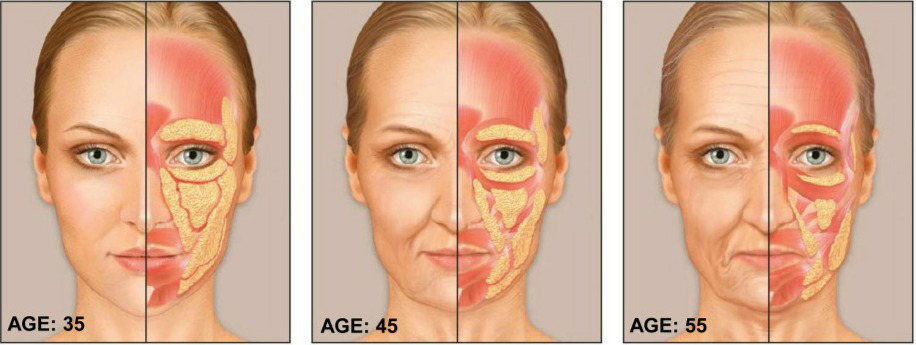
Some women have a facial structure with naturally deep-set eyes, high cheekbones, and full cheeks. As they age and the layer of collagen in the skin starts to wear away, the tear troughs seem to get deeper. With light reflecting off the blood vessels in the thinning under-eye area, the skin seems darker.
Aging is a major cause of dark circles because in addition to the weakened collagen, the muscles, ligaments, and reserves of fat in the face start to erode. For this reason, you also start to see lines and wrinkles on the corners of the eyes, nasolabial folds, and creases between the brows.
If you’re genetically inclined to having dark circles, you may end up noticing this skin flaw more frequently or at a younger age (look at family photos of your parents). Some people are born with under-eye circles, and that falls into the hereditary category. They're born with thinner, paler skin with more pigment under their eyes, and/or slower vascular movement.

Sun
Sun exposure can also cause pigmentation and saggy bags under the eyes. That’s because the harsh UV rays of the sun penetrate through the outer layers of the skin and destroy the delicate cells underneath.

Losing weight
Significant weight loss (bone loss and volume loss)

Allergies
Seasonal allergies, colds, and sinus infections lead to a concentration of fluids in your face. And, these fluids are more likely to collect in the thinner skin around the eyes. If you’ve been crying, that could also add to the problem.
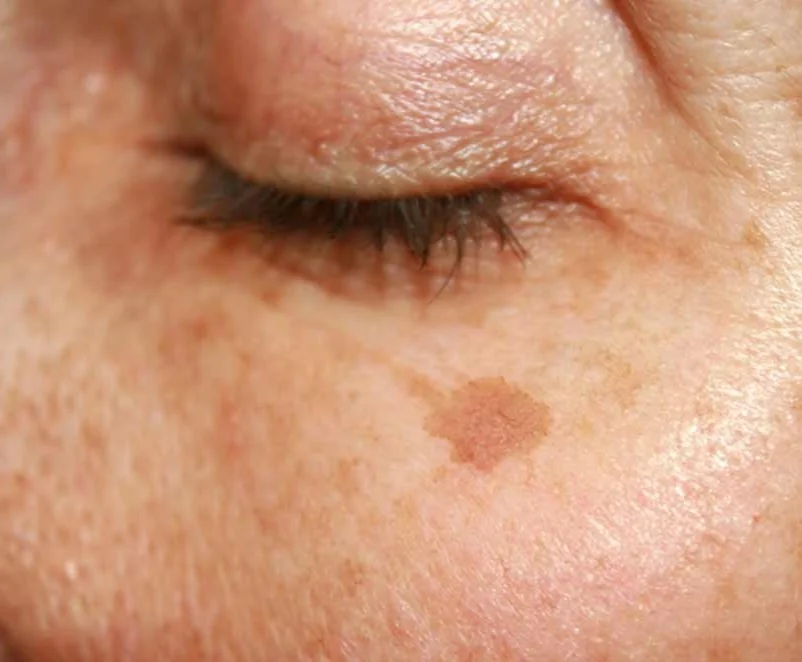
Pigmentation
Excess pigmentation around the eyes

Edema
Dilated blood vessels leading to infraorbital edema ("swelling/puffiness") from inflammation
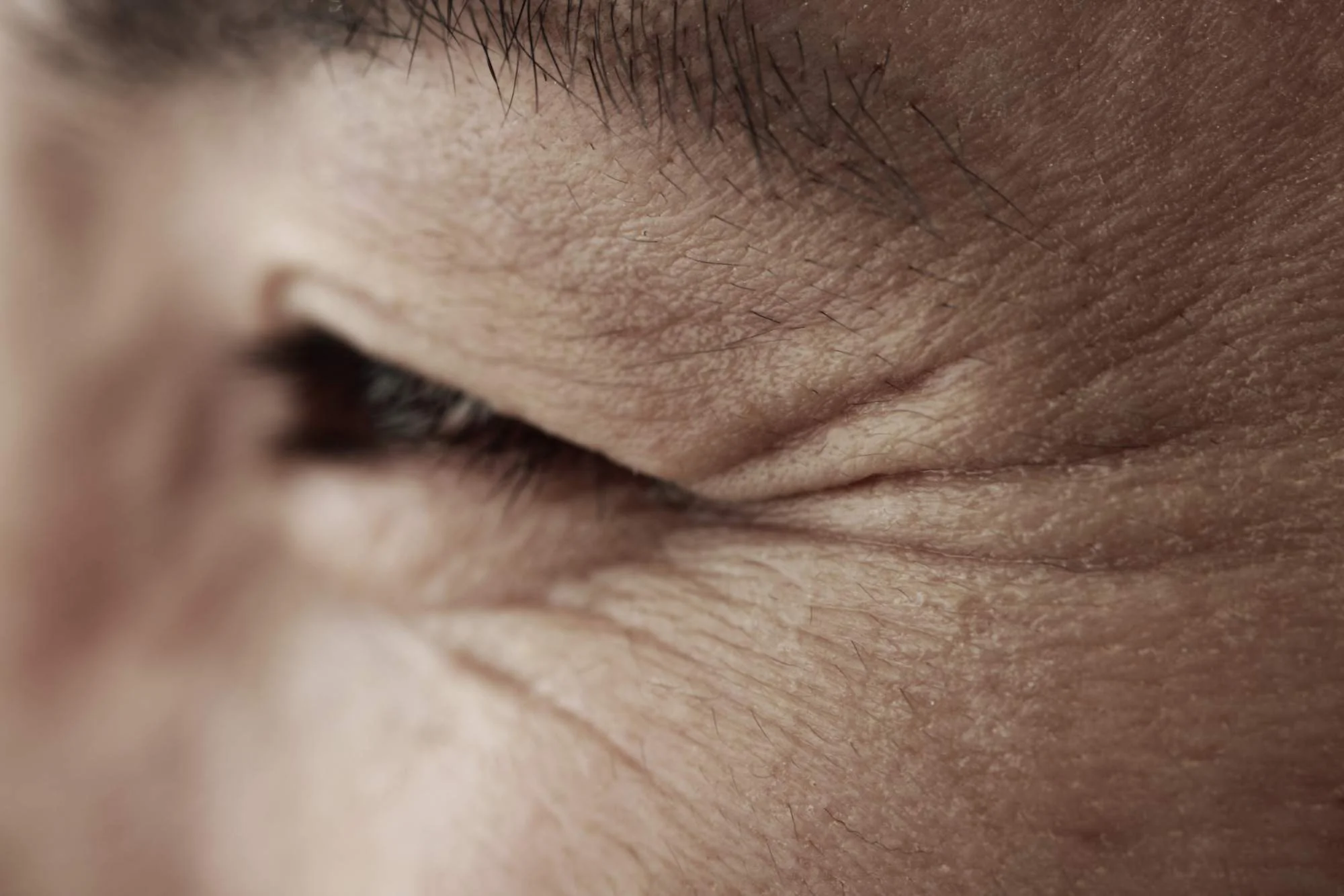
Skin
Dry irritated skin
Fat pads
Protrusion of fat pads ("bags under the eyes"
Lifestyle

Your lifestyle choices and decisions could be causing or increasing the problem. Here are the main offenders:
Inadequate sleep and the stress resulting from fatigue lowers the blood supply, oxygen, and nutrients to the area around the eyes. As a result, the skin loses its elasticity and starts to sag and form bags.
A diet high in sodium can cause water retention in your body. Given that the skin under the eyes is thinner than other areas of the body, it is more likely to reflect the excess fluids. Compound the problem with weakened elasticity and your eyes may seem more baggy than usual.
Sleeping with eye makeup on can irritate your eyes making them water. As a result, you might notice redness and puffiness.
Smoking constricts the blood vessels in the skin so it receives less of nutrients and starts to show signs of damage.
Sun damage
Allergy shiners (rubbing the eyelid skin due to allergies)
Dehydration
There are five professional treatments available to tackle dark eye circles….